Estate Planning Lawyers in Arcadia
Personalized Legal Support for Customized Estate Plans
California probate and trust laws can feel like a maze. Forms must be executed in a specific manner, titles must match the plan, and institutions must see specific language before releasing funds or accepting instructions. Small mistakes create costly detours, like court delays, creditor disputes, or tax surprises that reduce what reaches the people you care about. Working with an experienced estate planning attorney in Arcadia brings order to all moving parts, translates the statutes into clear steps, and makes it possible to craft an estate plan that your family will appreciate when it matters.
What Arcadia Families Need in Estate Planning
Arcadia households balance busy lives with multigenerational needs, real estate, and savings goals. A strong estate plan coordinates those pieces so guardians, trustees, and agents can step in quickly. Without a plan, California intestacy rules under the Probate Code decide who inherits, with no timing controls for minors, without guidance for college funding or charitable gifts.
Common issues that estate planning can help:
- Multigenerational Households: Many local families share housing or caregiving with parents or adult children. A plan should name who makes financial and health decisions, spell out contribution expectations, and clarify occupancy rights if one person becomes ill or dies. Clear roles reduce conflict and keep the household stable.
- Investment Property: Whether a duplex in the San Gabriel Valley or a short-term rental, real estate requires coordinated title, insurance, and property management. A revocable trust lets a successor trustee pay mortgages, sign leases, and sell, if needed, without waiting for a court order. Lenders and title companies look for correct vesting to avoid delays.
- College-Fund Coordination: Families often use 529 plans, custodial accounts, or trust provisions to pay future tuition. Your plan can authorize trustees to make qualified withdrawals, define what counts as education, and coordinate with financial aid to stretch funds further.
- Charitable Intent: If giving is part of your legacy, the plan can include specific bequests, percentage gifts, or instructions for a donor-advised fund. Trustees have the authority to document gifts and obtain acknowledgments supporting your records and tax filings.
- Intestacy and Default Risks (Probate Code §§6400–6414): Without a will or trust, the statute controls distributions. Blended families can see assets split in ways that do not match their wishes, and minors receive funds outright upon adulthood. A tailored plan prevents these default outcomes.
The Planning Backbone
There are fundamental documents that work together to cover property, finances, and health decisions. California’s execution rules and statutory forms signal validity to courts, banks, hospitals, and title companies. Getting the content and signatures right is as important as deciding who receives what.
These documents comprise the backbone of an effective estate plan under California law:
- Will Validity and Execution (Probate Code §6110; §§6100–6113): A will names beneficiaries, nominates an executor, and can nominate guardians for minor children. Proper signatures and witnesses are critical since errors can force assets into probate under intestacy. A simple pour-over will also direct stray assets to your trust.
- Revocable Trust Creation, Amendment, and Revocation (Probate Code §§15200, 15400): A living trust holds title during life, provides management during incapacity, and controls distributions after death. While you have capacity, you can amend or revoke it, which keeps the plan flexible as life changes.
- Advance Health Care Directive and Statutory Form (Probate Code §§4600–4806; §4701): This document names a health-care agent and states treatment preferences, including end-of-life choices. Hospitals rely on it for consent, so clarity and accessibility for agents prevent delays in urgent situations.
- Durable Power of Attorney for Finances (Probate Code §§4000–4545; §4401): A financial power authorizes an agent to handle banking, taxes, contracts, and real estate if you are unavailable or incapacitated. Tailored powers for retirement elections and digital assets help agents avoid frozen accounts.
- HIPAA Authorization and Fiduciary Coordination: A separate HIPAA release allows agents and trustees to receive the necessary medical information to perform their duties. Aligning your agents across documents avoids conflicting instructions.
Tax & Transfer Touchpoints
Estate planning interacts with property taxes and income taxes. While every situation is different, a few rules commonly affect Arcadia families.
- Parent-Child Reassessment Limits After Proposition 19 (Rev. & Tax. Code §63.2): Transfers of a primary residence to children face new limits and filing requirements. Your plan should anticipate whether a child will live in the home and consider alternatives if the exclusion will not apply.
- Change in Ownership Triggers: Adding or removing owners can cause reassessment. Coordinating deeds with your trust and community property status helps manage these consequences.
- Capital Gains Basis Considerations: Title choices can influence basis adjustments at death. Aligning the title and beneficiaries with tax goals helps reduce unnecessary gains when heirs sell property.
- Charitable Transfers: Trust language can direct gifts to qualified charities, which may help with income tax planning in the year of administration. Clear instructions help trustees document gifts correctly.
- Small-Estate Affidavit Backstop (Probate Code §13100): If probate assets fall under the statutory limit, heirs can use an affidavit to collect them after the waiting period. It is a helpful safety valve for a stray account, not a primary plan for larger estates.
Frequently Asked Questions About Estate Planning in Arcadia
Are bilingual or dual-language wills enforceable in California?
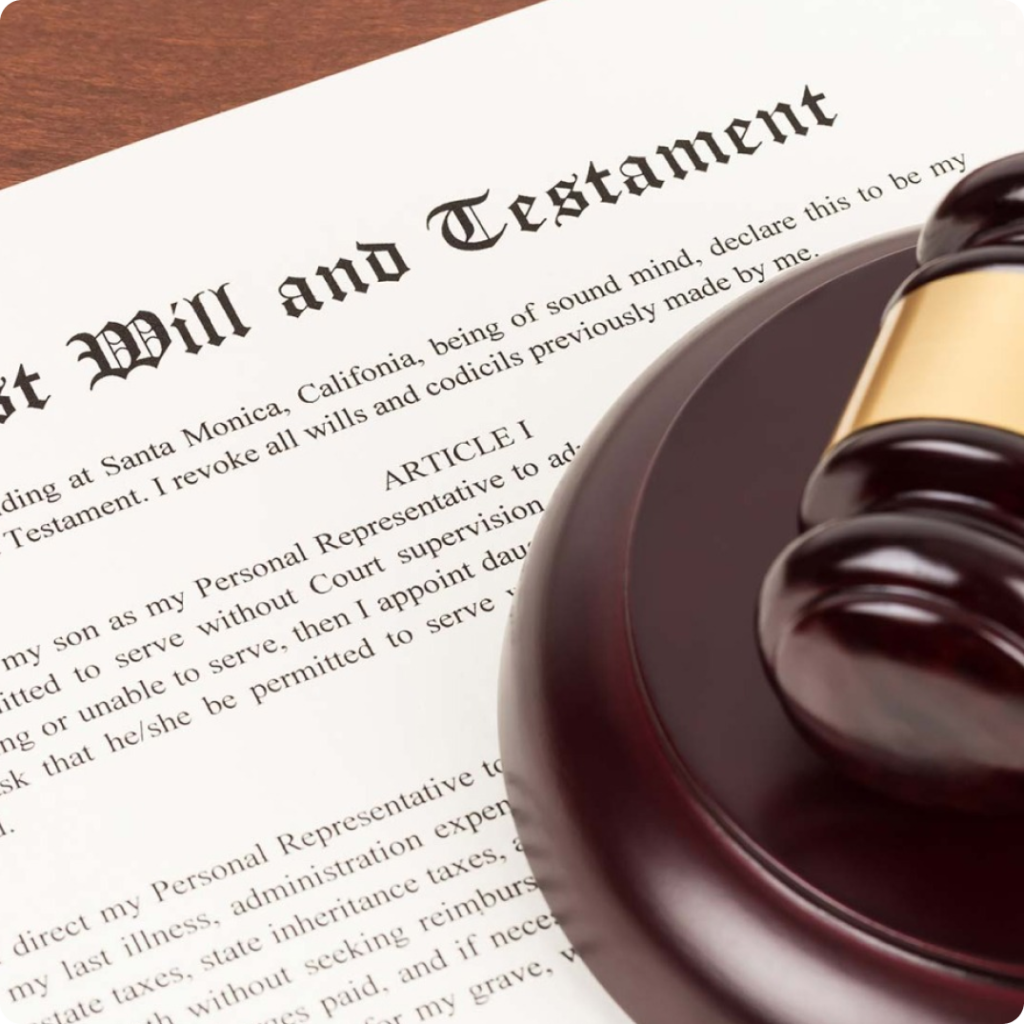
A bilingual last will and testament can be valid if it meets execution requirements and the language is consistent across versions. Courts look for clear intent, proper signatures, and credible translations that avoid ambiguity.
Can I direct funeral or cremation wishes in my estate?
Yes. You can designate an agent and specify burial or cremation preferences. Giving agents authority and contact information helps them promptly carry out those wishes.
What is the difference between community property and community property with right of survivorship for an Arcadia home?
Both reflect marital ownership, but survivorship adds automatic transfer to the surviving spouse at death. Your trust can still govern the later disposition of your assets to children or charities.
When must a trustee provide beneficiaries with a copy of the trust?
Beneficiaries generally receive a copy upon request when a revocable trust becomes irrevocable at the settlor’s death. Providing the document and the statutory notice supports transparency and starts key limitation periods.
How can I authorize access to my digital photos, email, and cloud drives?
Include specific digital-asset powers in your financial power and trust, and maintain a secure inventory of accounts. Service providers often require those authorizations before releasing content.
Speak With The Singh Law Firm to Start Your Estate Plan
Thoughtful planning gives your family clarity and reduces avoidable detours. The Singh Law Firm focuses on California-compliant execution, practical funding steps, and trustee guidance that institutions recognize. If you live in Arcadia or own property nearby, start a conversation about wills, living trusts, financial powers of attorney, and health directives that align with your goals.
Schedule a free consultation with The Singh Law Firm at (818) 459-3500.